Going Lighter
$3-$5/sqft
- Dark to light usually needs a tinted primer
- Expect 2-3 finish coats for true hide
- Deep reds, blues, and charcoals take the most correction
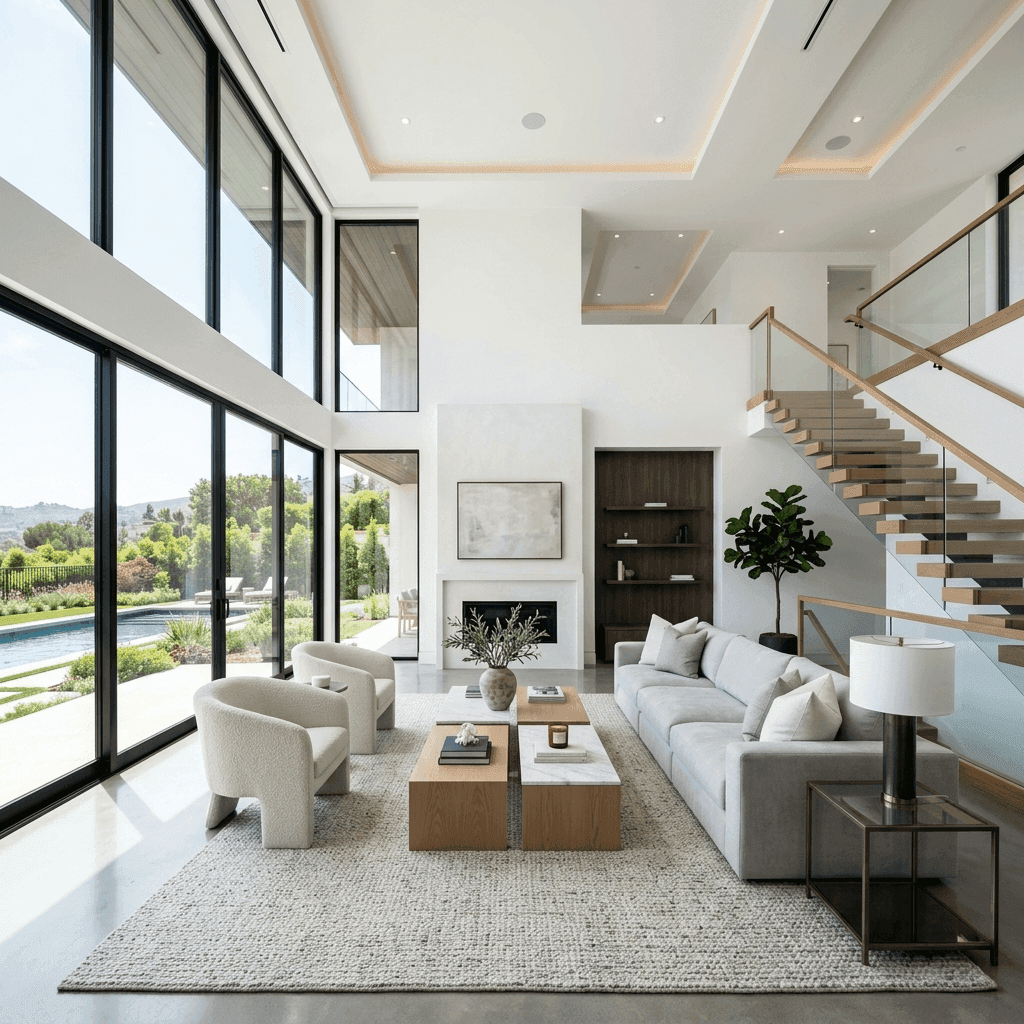
When the old color is fighting the room, we reset it with the prep and coverage plan needed for a true color change.
$400
Starting Range
24 hr
Quote Turnaround
500+
Homes Painted
Color Change Repaint in Los Angeles usually starts around $400 to $900 for a basic 1 room scope. Larger projects land closer to $2,500 to $6,500+, depending on prep, access, and how much of the surface package we are touching in one visit.
Color Change Repaint jobs in Los Angeles usually follow the same pattern: the low end is the clean, straight-through version of the work and the high end is the one with more prep, harder access, tighter finish expectations, or more total surface area. For color change repaint, that means 1 room at $400 to $900, 2 rooms at $800 to $1,800, 3 rooms at $1,200 to $2,700, 4 rooms at $1,600 to $3,600, whole house at $2,500 to $6,500+. We price by the real surface condition in front of us, not by a vague phone guess that falls apart the minute we walk the job.
What moves the number is rarely the paint itself. It is the prep. When a project has failed caulk, rough patches, greasy surfaces, raw wood, moisture staining, or old repairs telegraphing through the finish, the labor climbs because there is more work between the old surface and the new coat. That is why we write quotes after a walkthrough, photograph problem areas, and spell out the steps instead of burying them in a single line item.
Clients usually call us after getting two bad versions of the same estimate. One is so low it clearly skips prep. The other is a round number with no explanation. Our quotes show what is included, which surfaces are in scope, how many coats are realistic, and when the higher range comes into play. That keeps the project grounded and makes the final invoice predictable.
We do a lot of color change repaint work in Los Angeles because the housing stock is mixed and the wear patterns are obvious. One week it is dated tans in Woodland Hills tract homes. The next week it is high-contrast designer palettes in West Hollywood condos. Then it is sun-bleached neutrals in Santa Monica beach properties. The surfaces change, but the real job does not: get the old substrate stable, protect the finished areas around it, and leave a coating that does not read rushed once the light hits it in the afternoon.
This is where experience matters. A house in the basin behaves differently than a place closer to the coast, a canyon property, or a unit in a managed building. Access, dust control, sun exposure, drying times, elevator reservations, and homeowner expectations all shape the plan. We build our approach around how the job will actually run, not around how the sales pitch sounds.
We also look at what sits next to the surface. Stone counters, stained beams, hardwood floors, custom wallpaper, expensive light fixtures, and landscaped exterior edges all change the prep plan. Good painters pay attention to the stuff they are not painting, because that is what protects the house and keeps the project moving without damage or avoidable touch-up.
Before & After
Hover on desktop or tap on mobile to switch between the before and after state.
A heavy, dated palette was blocked out, re-primed where needed, and turned into a lighter scheme that makes the rooms feel calmer and more current.
Color Direction Guide
$3-$5/sqft
$2.50-$4/sqft
Prep is the difference between a job that looks good on day one and a job that still looks good after a season of use. Every color change repaint project we do includes the prep steps that make the finish hold. That starts with sand and feather all old sample areas. Then we prime where the color shift is dramatic. After that we box paint for uniformity across rooms. Finally, we cut every transition cleanly so the new palette looks intentional. When any of those steps get skipped, the finish might still look fine at first, but it will fail faster and it will usually fail in a way you can see from across the room or the street.
We are careful about sequencing because rushing one part of the prep throws off everything behind it. If sanding dust is not removed, the finish gets rough. If raw repairs are not primed, they flash. If damaged caulk is left in place, it opens up through the new paint. If contaminated surfaces are not cleaned first, adhesion turns into a gamble. That is why we would rather write a realistic schedule than promise something that only works by cutting corners.
Clean prep also keeps the house livable. We use floor protection, plastic, masking, hardware labeling, and daily cleanup so the site stays controlled. Homeowners notice that right away. More important, it keeps the project from bogging down into days of small problems. Good prep saves time later because it prevents rework.
Material choice matters, but it matters in the context of the surface. We use premium coatings because they hide better, level better, and stand up better once the job is back in service. For color change repaint, the finish decisions we talk through most are warm whites and soft greiges for resale-driven updates, deeper feature colors when natural light supports them, matching trim and wall updates when the old finish fights the new scheme, and extra coat planning on reds, blues, and charcoal tones. Those choices affect washability, sheen, coverage, and how forgiving the surface will be in side light.
This is also where we talk honestly about expectations. Some clients want the surface to look new. Some want it to look clean and consistent without overbuilding the scope. Those are different outcomes. If we are painting over old oak, rough stucco, patched drywall, or weathered wood, we explain what the substrate will still telegraph and what we can improve with more prep. Clear expectations save everybody frustration.
Because we work across high-end homes, rentals, family houses, and condos, we are used to matching the finish to the use case. A durable rental finish is different from a showcase formal room. A beach-adjacent exterior needs different thinking than a canyon lot. The point is not to oversell. It is to match the system to the job so the client gets a finish that makes sense for how the property is actually used.
We also pay attention to maintenance after the project. Some surfaces can be wiped, some should be washed gently, and some need cure time before they take daily abuse. That advice matters because the same finish can either last or fail based on what happens in the first few weeks after the job is done.
A one-room color change still turns fast, but whole-house palette shifts often need more masking, more cuts, and more total material than a same-color refresh.
The way we keep timelines tight is by locking the sequence early. Surfaces that need repair get hit first. Areas with longer dry or cure windows are stacked so the crew is not standing around. The site is protected before finish material comes out, and every day ends with cleanup. That sounds basic, but it is where a lot of residential jobs fall apart. Homeowners do not need more drama. They need a clear plan and a crew that follows it.
We also tell clients where the project can slow down. Late color changes, added scope, unexpected substrate failures, association rules, weather, or occupancy constraints all affect the calendar. We would rather point those out on the front end than hide them. That honesty is what keeps a two-day job from becoming a two-week headache.
Color-change work is where coverage, priming, and boxing the paint matter most. Cheap shortcuts show fast when the old color and new color fight each other.
A lot of clients ask if they should replace instead of repaint, repair, or refinish. Sometimes replacement is the right call, especially if the substrate is rotten, swollen, structurally failed, or already carrying too many layers of bad work. Most of the time, though, the smarter move is to keep the bones that still work and invest in the finish. That is where painting delivers value: it changes what you see every day without dragging the house into a full renovation schedule.
The sweet spot is when the layout, the structure, and most of the material are still sound. That is when high-quality prep and paint make the biggest difference. You keep demolition down, you keep downtime down, and you focus the budget on the surfaces people actually notice. For homeowners trying to refresh before listing, reset after a purchase, or catch up on deferred maintenance, that is usually the right move.
Homeowners usually get into trouble on color change repaint when they compare the totals without comparing the methods. One painter includes protection, real prep, primer, two finish coats, hardware handling, and a final touch-up pass. The next painter includes one fast pass and hopes the surface is forgiving. Both call it the same service. Only one of those bids leaves a result that still looks right after the room is back in use or the weather changes.
We encourage clients to compare five things line by line: what prep is included, whether repairs are spot-painted or full-surface painted, how adjacent finishes are protected, what coating line is being used, and how the project will be scheduled day to day. If a quote is vague on those points, it is usually vague because the contractor wants room to decide later. That is when prices jump mid-job or the finish standard quietly drops.
A better quote is not the one with the nicest formatting. It is the one that tells you how the work will actually happen. That is how you know whether the price is fair. It also tells you how the crew thinks. Painters who understand the work can explain the work. Painters who only know the sales pitch usually hide behind big ranges and soft promises.
The other thing worth checking is what the contractor considers done. Some crews call the job complete once the color is on the surface. We call it complete after the walkthrough, after touch-ups, after the hardware is back where it belongs, and after the room or exterior section reads clean in real light. That standard is why our bids are written the way they are.
Red Stag Painting runs residential work the way homeowners wish more contractors did: clear scope, exact prep, real communication, and no mystery around the finish standard. We have worked in estates, tight condos, tract homes, rentals, and historic houses across Greater Los Angeles. That variety matters because it teaches you what can go wrong on different substrates and how to keep the project moving when access or schedule gets complicated.
We also keep the crew disciplined. Floors are protected, hardware is labeled, tools are organized, and the site is cleaned every day. Homeowners can tell in the first hour whether a crew has done this before. The people who hire us usually care about two things: they want the finish to look right and they do not want the jobsite to take over their life. That is the standard we work to.
If you want the project priced correctly, the next step is simple: book a walkthrough, show us the real condition of the surfaces, and we will tell you where the work lands. No vague estimate. No soft numbers. Just a clean scope and a quote that matches the job.
Pricing
vs. $15,000+ for a full renovation
Estimated at $2-$4 per sq ft
| Service | Price Range |
|---|---|
| 1 room | $400 – $900 |
| 2 rooms | $800 – $1,800 |
| 3 rooms | $1,200 – $2,700 |
| 4 rooms | $1,600 – $3,600 |
| Whole house | $2,500 – $6,500+ |
Why Red Stag
500+
We handle this scope on dated tans in Woodland Hills tract homes, high-contrast designer palettes in West Hollywood condos, and sun-bleached neutrals in Santa Monica beach properties, so the plan fits the house instead of fighting it.
24 hr
We price the work after looking at things like deep colors ghosting through weak hide paints and old cut lines left at the ceiling, not by guessing from a few photos.
Clean
The production plan is built around sand and feather all old sample areas, prime where the color shift is dramatic, and daily cleanup so the finish still reads right when the room or exterior goes back into service.
What Homeowners Say
Three recent notes from homeowners who hired Red Stag for this exact scope.
“They took out three dark accent walls and the place instantly felt twice as bright without looking washed out.”
Rachel I.
West Hollywood
“We bought a house full of yellow undertones and they got it to a clean warm neutral without ghosting from the old colors.”
Eddie P.
Silver Lake
“The primer plan mattered. You cannot tell where the old navy walls were anymore.”
Simone T.
Santa Monica
FAQ
Color Change Repaint in Los Angeles usually starts around $400 to $900 for 1 room work. Larger jobs typically land around $2,500 to $6,500+. Prep level, access, and surface condition are what move the number.
A one-room color change still turns fast, but whole-house palette shifts often need more masking, more cuts, and more total material than a same-color refresh.
We include the prep steps that make the finish hold: sand and feather all old sample areas, prime where the color shift is dramatic, box paint for uniformity across rooms, cut every transition cleanly so the new palette looks intentional. We do not skip those steps to make the quote look cheaper.
Hidden damage, contamination, failed caulk, old patching, difficult access, and tighter finish expectations are the big cost drivers. The paint itself is rarely what moves the job from the low end to the high end.
Color-change work is where coverage, priming, and boxing the paint matter most. Cheap shortcuts show fast when the old color and new color fight each other. If the material is still sound, keeping the bones and paying for careful prep usually gives homeowners the best return.
Free Estimate
Fill out the form and Red Stag will respond with a real scope conversation, not a vague autoresponder.
Fast follow-up with scheduling and next steps.
The service type is already selected so the form starts in the right place.